Welcome to our independent guide to the Cornish Riviera, covering towns, beaches, travel tips, best times to visit, and where to stay along Cornwall’s south coast.
The Cornish Riviera is not a single resort or formally defined region, but a long-standing name used to describe the gentler, sun-favoured south coast of Cornwall. For more than a century it has appealed to visitors looking for sheltered beaches, scenic harbours, good food, and a slower pace than Britain’s busier seaside destinations.
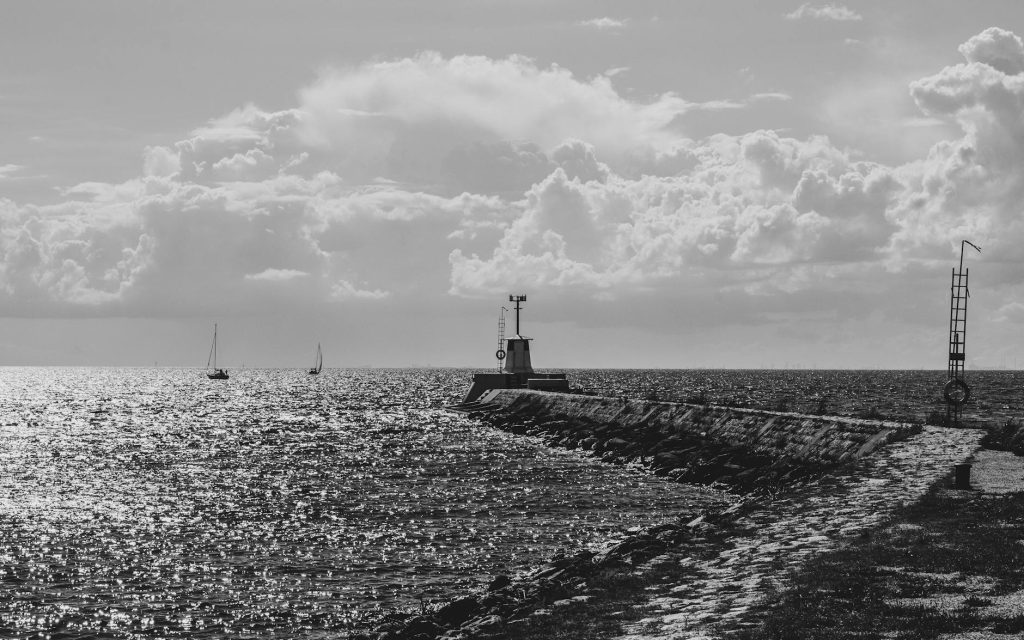
This independent guide explains what the Cornish Riviera really is, where it stretches, which towns and beaches suit different types of holidays, and what first-time visitors should realistically expect when planning a stay.
What Is the Cornish Riviera?
The term “Cornish Riviera” dates back to the late Victorian and Edwardian era, when railway companies promoted Cornwall’s south coast as Britain’s answer to the French and Italian Rivieras. The idea was simple: a milder climate, attractive seaside towns, and picturesque coastal scenery, all easily reached by train.
Today, the name is used informally to describe the central and eastern parts of Cornwall’s south coast, where sheltered waters, wooded estuaries, and historic ports dominate the landscape. It is less dramatic than the Atlantic-facing north coast, but often calmer, greener, and more relaxed.
Where Is the Cornish Riviera?
The Cornish Riviera broadly covers Cornwall’s south coast between the Tamar Estuary near the Devon border and the Fal Estuary around Falmouth. While opinions vary, most visitors associate it most strongly with the stretch between Fowey and Falmouth, including the harbours, coves, and estuaries in between.
This coastline faces the English Channel rather than the Atlantic Ocean, which gives it a noticeably different character: calmer seas, more sheltered swimming spots, and fewer large surf beaches.
The Character of the Cornish Riviera
The Cornish Riviera is defined by its contrasts. Busy harbour towns sit alongside quiet fishing villages; wooded river valleys open suddenly onto shingle beaches and small sandy coves. The climate is often milder than inland Cornwall, with fewer strong winds than the north coast.
It suits visitors who enjoy coastal walks, boat trips, swimming in sheltered water, and lingering meals rather than high-energy beach culture. Couples, walkers, older travellers, and families with younger children often find it particularly appealing.
Towns and Resorts Along the Cornish Riviera
Falmouth
Falmouth is the largest town on the Cornish Riviera and a major maritime centre. It combines a working harbour with beaches, museums, independent shops, and a lively food scene. Its transport links make it one of the easiest bases for exploring the south coast without a car.
Fowey
Set on a steep hillside above a wide estuary, Fowey is known for sailing, literary connections, and refined coastal charm. It feels smaller and quieter than Falmouth, with a strong emphasis on scenery and dining.
Mevagissey
Mevagissey remains a working fishing harbour, which gives it a more traditional feel. Visitors are drawn to its narrow streets, harbour views, and access to nearby coastal walks.
St Mawes
Reached by ferry from Falmouth, St Mawes has a polished, village-style atmosphere. It is popular with sailing enthusiasts and visitors seeking a peaceful, well-kept seaside base.
Polperro
Polperro’s tightly packed cottages and historic harbour make it one of the most recognisable villages on the south coast. It can be busy during peak summer months but retains strong character outside high season.
Cornish Riviera Beaches
Beaches along the Cornish Riviera tend to be smaller and more sheltered than those on the Atlantic coast. Many are mixed sand and shingle, backed by cliffs or woodland rather than dunes.
| Beach Type | Best For | Typical Conditions |
|---|---|---|
| Sheltered coves | Swimming, families | Calm water, limited waves |
| Estuary beaches | Paddleboarding, kayaking | Very gentle tides |
| Shingle beaches | Quiet relaxation | Clear water, fewer crowds |
Water quality across the south coast is monitored by the Environment Agency, and many beaches regularly achieve good bathing water ratings.
Walking and Outdoor Activities
The South West Coast Path runs the full length of the Cornish Riviera, offering cliff-top walks with frequent access to harbours and villages. Estuary walks around the Fal and Fowey rivers are particularly scenic and less exposed.
Kayaking, paddleboarding, and sailing are widely available thanks to calmer sea conditions, while wildlife sightings often include seals, seabirds, and occasionally dolphins.
Food and Drink on the Cornish Riviera
Seafood plays a central role, with locally landed fish and shellfish featuring heavily on menus. Harbour pubs coexist with destination restaurants, especially in Falmouth and Fowey. Farmers’ markets and village shops provide good access to Cornish produce for self-caterers.
Getting Around the Cornish Riviera
The south coast is well served by rail, with mainline services to Par and branch lines to Falmouth. Ferries connect several coastal settlements, allowing for scenic foot-passenger travel.
Driving offers flexibility but comes with narrow lanes and limited parking in historic villages. Many visitors choose to mix public transport with local ferries to reduce car use.
Where to Stay
Accommodation ranges from harbour-side hotels and guesthouses to self-catering cottages inland. Prices rise sharply during school holidays, while spring and autumn offer better availability and value.
Best Time to Visit the Cornish Riviera
Late May to early July and September are often ideal, combining warmer weather with fewer crowds. Summer brings the best swimming conditions but also the highest demand. Winter appeals mainly to walkers and repeat visitors seeking coastal scenery rather than traditional beach holidays.
Cornish Riviera vs North Cornwall Coast
| Feature | Cornish Riviera | North Cornwall Coast |
|---|---|---|
| Sea conditions | Calmer, sheltered | Exposed, surf-focused |
| Beaches | Smaller coves and estuaries | Wide sandy bays |
| Atmosphere | Relaxed, scenic | Energetic, dramatic |
Is the Cornish Riviera Right for Your Holiday?
The Cornish Riviera suits travellers who value scenery, calmer water, and characterful towns over big surf beaches and nightlife. It rewards slower exploration and works particularly well for multi-day stays rather than short, activity-packed breaks.
Frequently Asked Questions
What areas are considered the Cornish Riviera?
Most people use the term to describe Cornwall’s central south coast, especially between Fowey and Falmouth.
Is the Cornish Riviera good for families?
Yes, particularly for families with younger children who prefer sheltered beaches and gentler sea conditions.
Can you visit the Cornish Riviera without a car?
It is possible using trains, buses, and local ferries, though rural areas are easier to reach with a car.
Is the Cornish Riviera expensive?
Costs are highest in summer and in harbour towns, but quieter villages and shoulder seasons offer better value.
Which town is best to stay in?
Falmouth offers the most facilities and transport links, while smaller towns suit visitors seeking quieter surroundings.